
Most Popular
-
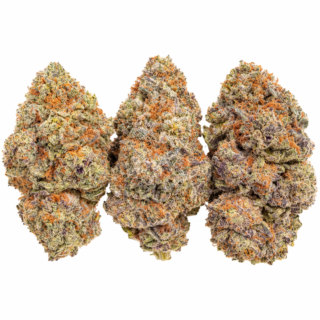 Purple Oreo Strain
Price range: $350.00 through $600.00
Purple Oreo Strain
Price range: $350.00 through $600.00
-
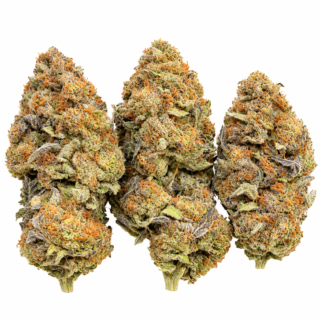 Blueberry Dum Dum Strain
Price range: $300.00 through $500.00
Blueberry Dum Dum Strain
Price range: $300.00 through $500.00
-
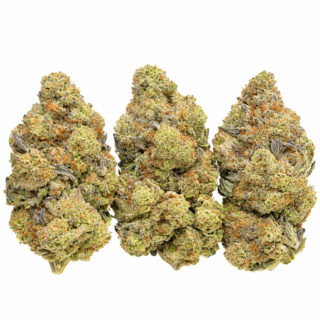 Grease Candy Strain
Price range: $400.00 through $700.00
Grease Candy Strain
Price range: $400.00 through $700.00
-
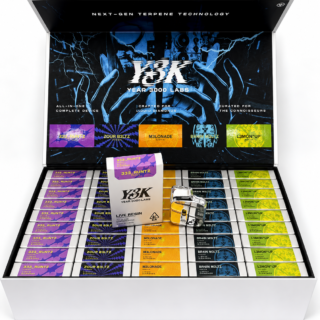 Y3K Disposable
$20.00
Y3K Disposable
$20.00
-
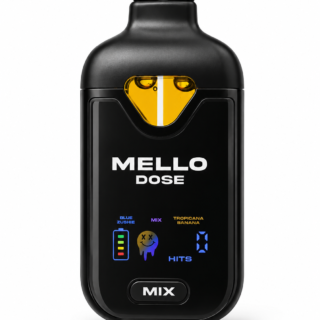 Mello Dose 2G Disposable
$30.00
Mello Dose 2G Disposable
$30.00
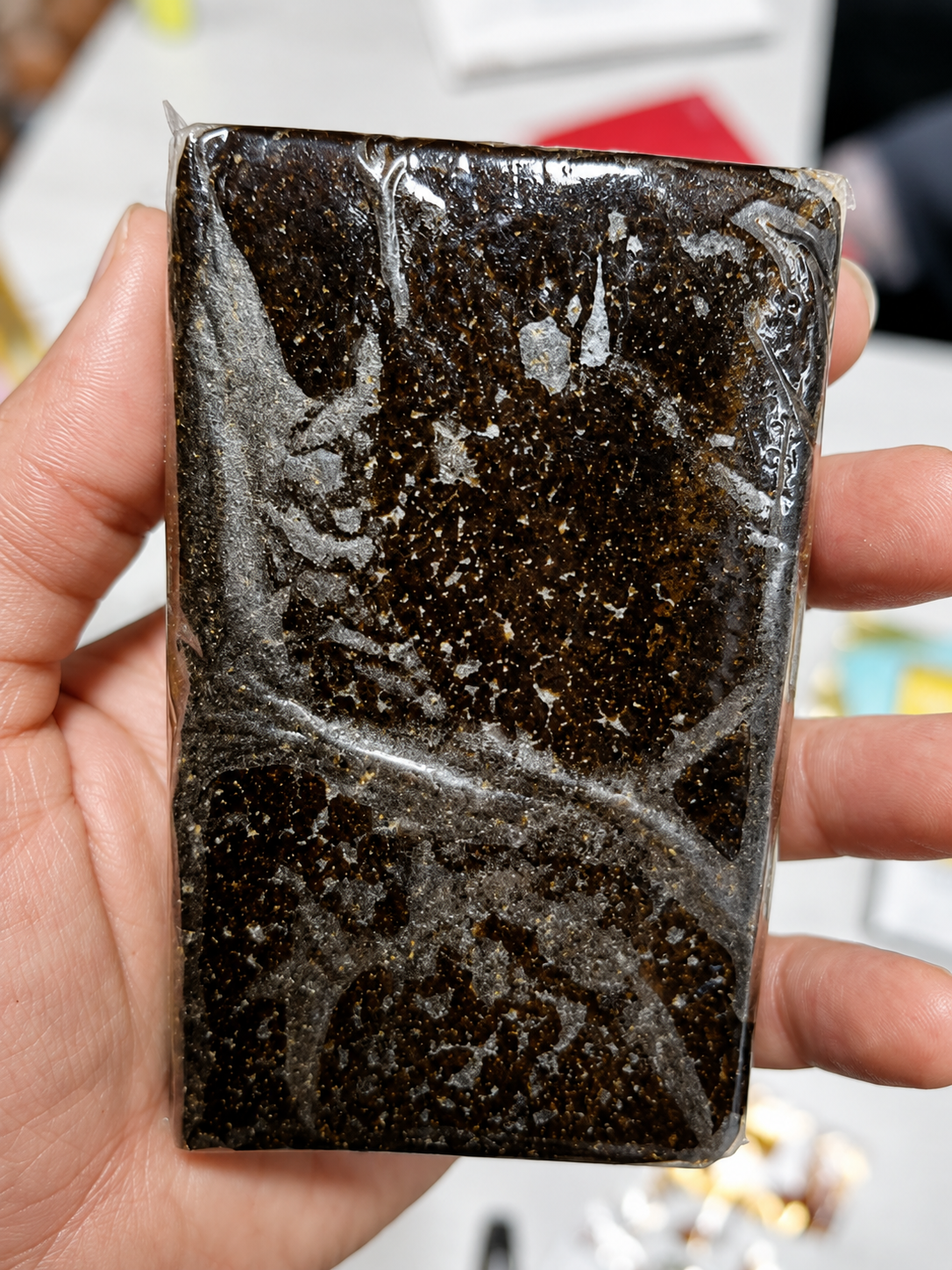
Bubble Hash
Price range: $100.00 through $1,400.00
Bubble Hash is a solventless cannabis concentrate made by separating resin-rich trichomes from plant material using ice, cold water, agitation, and filtration. Also known as ice-water hash, it can vary considerably in color, texture, refinement, and melt characteristics. This guide explains what Bubble Hash is, how trichome separation works, what micron grades mean, how to evaluate quality, and how storage and laboratory testing can affect the buying decision.
Bubble Hash: What It Is, Quality, Texture, Color, Micron Grades, and How It Compares With Other Hash
Bubble Hash is a type of solventless hash produced by separating resin-rich trichomes from cannabis plant material, traditionally using ice, water, agitation, and filtration. Unlike solvent-extracted concentrates, the basic concept does not rely on chemical solvents to separate the resin. The finished material can vary considerably in color, texture, aroma, consistency, and melt characteristics depending on the starting material, processing conditions, filtration, handling, and storage.
For anyone researching what is Bubble Hash, the most important point is that appearance alone cannot establish potency, purity, cannabinoid content, terpene concentration, or laboratory quality. Those characteristics require appropriate testing. Terms such as full melt, micron grade, solventless, and ice water hash describe different aspects of the product and should not automatically be treated as guarantees of quality.
This guide explains Bubble Hash from a product-education perspective, including its characteristics, quality indicators, terminology, storage considerations, laboratory verification, and differences from other forms of hash.
What Is Bubble Hash?
Bubble Hash is a cannabis concentrate made primarily from separated trichomes. Trichomes are microscopic structures found on cannabis flowers and surrounding plant material. They contain many of the compounds responsible for cannabis aroma, flavor, and cannabinoid content.
Bubble Hash is commonly associated with the term ice water hash because ice and cold water are used in the separation process. The process takes advantage of the physical properties of trichome heads, allowing resin-bearing material to be separated from much of the surrounding plant matter and collected through filtration.
The term bubble hash is sometimes used broadly, but products can differ substantially. One product may contain a relatively clean concentration of resin heads, while another may contain more plant material or a different mixture of particle sizes.
Consequently, the name itself does not establish a particular potency, grade, micron size, or melt quality.
Why Is It Called Bubble Hash?
The name is commonly associated with the way certain high-quality hash can behave when heated. Resin-rich material may bubble, melt, or become more fluid when exposed to sufficient heat.
However, bubbling behavior is not a universal laboratory standard. It should not be interpreted as a precise measurement of cannabinoid concentration or purity.
Product Specification
| Specification | Details |
|---|---|
| Product Name | Bubble Hash |
| Product Category | Cannabis hash / concentrate |
| Type | Ice-water hash |
| Production Method | Solventless separation using ice, water, agitation and filtration |
| Primary Material | Cannabis trichomes |
| Extraction Solvent | None used in the primary separation process |
| Texture | May vary from sandy or crumbly to soft, tacky or cohesive |
| Color | May range from pale cream or blonde to golden or darker brown |
| Melt Characteristics | Varies according to refinement and product quality |
| Micron Grade | Product dependent; verify specific labeling |
| Full Melt | Product dependent; should not be assumed without supporting information |
| THC Percentage | Not specified; verify batch-specific laboratory results |
| THCA Percentage | Not specified; verify batch-specific laboratory results |
| Terpene Content | Not specified; verify batch-specific laboratory results |
| Weight | Verify the exact product packaging |
| Laboratory Testing | Verify batch-specific COA where available |
| Storage | Protect from excessive heat, light, air and unnecessary handling |
How Ice Water Hash Works
The fundamental concept behind ice water hash is mechanical separation rather than chemical extraction.
Cannabis material contains trichomes with resin-rich heads. In an ice-water process, cold conditions help make these structures easier to separate from plant material. Filtration then allows different material fractions to be collected according to particle size.
At a high level, the process involves:
- Cannabis material being exposed to cold water and ice.
- Physical movement helping separate resin-bearing trichomes from plant material.
- The mixture passing through filtration screens or bags.
- Different fractions being collected according to their filtration characteristics.
- The collected material being handled and dried appropriately before storage.
The exact production method can vary considerably between producers.
That distinction matters because Bubble Hash is not automatically identical from one batch to another. Starting genetics, flower quality, trichome development, processing practices, filtration, drying, and storage can all influence the finished material.
Understanding Trichomes in Bubble Hash
Trichomes are central to understanding Bubble Hash.
On cannabis flowers, resin-producing glandular trichomes contain cannabinoids, aromatic compounds, and other constituents. When trichome-rich material is separated from the rest of the plant, the resulting concentrate can have a markedly different appearance and texture from ordinary cannabis flower.
The quality of the starting material therefore matters.
Healthy, mature resin-producing material can provide a stronger foundation for producing a desirable hash, but trichome appearance alone cannot prove potency or overall quality.
Laboratory analysis is still necessary for reliable information about cannabinoids, contaminants, and other measurable characteristics.
Bubble Hash Appearance
Bubble Hash can appear in a surprisingly wide range of colors and textures.
Depending on the material and production characteristics, it may range from:
- Pale cream or beige
- Light golden
- Tan
- Golden-brown
- Medium brown
- Dark brown
- Greenish or darker shades when more plant material is present
Color can provide useful descriptive information, but it should never be used as a standalone quality test.
For example, a darker appearance does not automatically mean a product is poor quality. Oxidation, handling, age, storage conditions, starting material, and processing can all influence color.
Likewise, a light color does not automatically prove exceptional purity.
A useful Bubble Hash review should therefore discuss appearance without presenting color as definitive proof of potency or purity.
Bubble Hash Texture
Texture is another important characteristic.
Bubble Hash can range from relatively dry and granular material to softer, more pliable, resinous textures. Some products may feel sandy or crumbly, while others can become sticky, oily, or malleable under warmer conditions.
Texture can be influenced by:
- Moisture content
- Drying and curing
- Resin composition
- Storage temperature
- Handling
- Age
- Starting material
- Processing characteristics
A good product description should therefore avoid declaring that one texture is universally superior.
Instead, texture should be considered alongside aroma, cleanliness, consistency, laboratory information, and the intended product grade.
What Does “Full Melt” Mean?
Full melt is a quality-related term used within the hash and concentrate market to describe material that can melt substantially when heated, leaving relatively little solid residue.
The term is particularly associated with highly refined, trichome-rich preparations.
However, full melt should not be treated as a standardized laboratory certification.
A product marketed as full melt should ideally be supported by credible product information and, where available, appropriate laboratory documentation.
Similarly, bubbling or melting behavior cannot establish:
- THC percentage
- CBD percentage
- Terpene concentration
- Contaminant levels
- Pesticide status
- Heavy-metal status
- Microbial safety
Those characteristics require appropriate testing.
Understanding Micron Grades
Micron grades refer to the size of filtration screens used when separating material.
Different filtration sizes can collect different fractions of material. Because trichome structures vary in size, filtration can help producers separate resin-rich fractions from other material.
You may encounter terms such as:
- 73 micron
- 90 micron
- 120 micron
- 160 micron
- 220 micron
These numbers should not automatically be interpreted as a simple quality ranking.
A smaller micron number is not inherently better than a larger one, and a particular micron fraction does not guarantee full melt, high potency, or superior flavor.
The ideal fraction can depend on the genetics, maturity, starting material, production method, and desired characteristics.
Therefore, when researching Bubble Hash quality, micron information is useful context rather than a standalone score.
Bubble Hash Quality: What Should You Look For?
Evaluating Bubble Hash requires looking beyond one characteristic.
A more useful assessment considers several factors together.
1. Cleanliness
Material containing excessive visible plant matter may differ significantly from a highly refined resin-rich preparation.
However, visual inspection cannot identify every contaminant.
2. Consistency
A reputable product should have a reasonably consistent appearance and texture appropriate to its stated type.
3. Aroma
A noticeable cannabis aroma can provide useful sensory information, although aroma cannot establish laboratory quality.
4. Texture
Texture should correspond reasonably with the product’s stated characteristics and storage condition.
5. Melt Behavior
Melt behavior can provide additional descriptive information, particularly when discussing products marketed as full melt.
It should not, however, replace laboratory testing.
6. Documentation
Where available, a Certificate of Analysis (COA) provides substantially stronger evidence than appearance alone.
Why a COA Matters for Bubble Hash
A Certificate of Analysis can provide laboratory information that consumers cannot reliably determine through appearance or smell.
Depending on the testing requirements and jurisdiction, a COA may provide information about cannabinoid concentrations and certain contaminants.
Potential testing categories can include:
- Cannabinoid profile
- Potency
- Terpenes
- Pesticides
- Heavy metals
- Microbial contaminants
- Residual solvents where applicable
Not every COA contains every category, so the report should be reviewed carefully.
It is also important to confirm that the COA actually corresponds to the product and batch being evaluated.
A product description should never invent laboratory results simply because similar products commonly publish them.
Bubble Hash and Solventless Hash
Bubble Hash is generally considered a form of solventless hash because its production does not depend on chemical solvents such as butane or ethanol to separate the desired resin.
The word solventless, however, does not mean that every product is identical.
Solventless concentrates can include different forms of processed cannabis resin, each with its own production characteristics.
Bubble Hash specifically emphasizes mechanical separation and filtration of trichome-rich material.
This distinction helps explain why Bubble Hash and other solventless concentrates can have different textures, appearances, and melt properties even when they belong to the same broad category.
Bubble Hash vs Other Hash
Bubble Hash is only one form of hash.
Traditional hash can be produced through different methods of collecting and concentrating cannabis resin. These methods can result in substantially different physical characteristics.
Bubble Hash vs Dry Sift
Dry sift uses mechanical separation without the ice-water component associated with Bubble Hash.
The resulting material can have different textures and levels of plant contamination depending on the quality of the starting material and the separation process.
Bubble Hash, by comparison, is associated with water-based separation and filtration.
Bubble Hash vs Traditional Pressed Hash
Traditional pressed hash generally involves collecting resin-rich material and compressing it into a more cohesive form.
Its appearance can range from light to very dark depending on its production and age.
Bubble Hash can remain more granular, sandy, pliable, or resinous depending on how it was processed and handled.
Bubble Hash vs Rosin
Rosin is a different type of solventless concentrate produced through mechanical pressure and heat.
Although both products can be described as solventless, their production methods are different.
Bubble Hash focuses on separating trichomes, whereas rosin production involves pressing resin-bearing material to collect a concentrated extract.
Bubble Hash vs Live Resin
Live resin belongs to a different extraction category because it is generally produced using hydrocarbon-based extraction methods.
The distinction is therefore important:
Bubble Hash → solventless, ice-water/mechanical separation
Rosin → solventless, pressure and heat
Live Resin → typically solvent-based extraction
These categories should not be treated as interchangeable.
Bubble Hash Storage Considerations
Storage can have a significant effect on the characteristics of hash over time.
Heat, oxygen, light, moisture, and repeated handling can influence the material’s aroma, texture, color, and overall condition.
For preservation, the general principles are straightforward:
- Keep the product appropriately sealed.
- Minimize unnecessary exposure to air.
- Protect it from excessive heat and direct light.
- Avoid introducing moisture or contaminants.
- Follow the manufacturer’s storage instructions where available.
Storage recommendations can differ depending on the particular product, packaging, moisture level, and intended shelf life.
For that reason, product-specific instructions should take priority over generic advice.
How to Read Bubble Hash Product Claims
The hash market uses many terms that sound authoritative but may not have standardized meanings.
Be cautious with unsupported claims involving:
- Exact potency percentages
- Specific terpene percentages
- Specific micron grades
- “Full melt” guarantees
- Purity percentages
- Extraction claims
- Medical effects
- Laboratory results without documentation
A strong product description should separate what is documented from what is marketing language.
For example, saying that a product is described as “full melt” is different from claiming that laboratory testing proves it is exceptionally pure.
That distinction improves both consumer trust and informational accuracy.
Is Darker Bubble Hash Lower Quality?
Not necessarily.
Color is affected by numerous variables, including the starting material, processing, oxidation, storage, and the amount of plant material present.
A darker product may have different characteristics from a lighter product, but color alone cannot determine whether one is superior.
The same principle applies in reverse: a very light color does not guarantee premium quality.
For a meaningful evaluation, consider texture, aroma, consistency, melt characteristics, product documentation, and laboratory testing together.
What Makes Bubble Hash High Quality?
There is no single visual characteristic that defines high-quality Bubble Hash.
A stronger evaluation combines:
- Quality starting material
- Appropriate trichome separation
- Consistent processing
- Clean appearance
- Suitable texture
- Desirable aroma
- Appropriate melt characteristics where relevant
- Proper handling and storage
- Reliable product information
- Verifiable laboratory documentation
The more of these factors that can be independently supported, the more meaningful a quality assessment becomes.
Frequently Asked Questions About Bubble Hash
What is Bubble Hash?
Bubble Hash is a cannabis concentrate made by separating resin-rich trichomes from cannabis plant material, commonly using cold water, ice, and filtration. It is generally categorized as a solventless concentrate.
Is Bubble Hash the same as ice water hash?
The terms are commonly used interchangeably because Bubble Hash is traditionally associated with ice-water separation. However, terminology can vary between producers and markets.
Is Bubble Hash solventless?
Yes. Bubble Hash is generally classified as solventless because the fundamental separation method does not depend on chemical extraction solvents.
What does full melt mean?
Full melt generally describes hash that melts substantially when heated and leaves relatively little solid residue. It is a descriptive market term rather than a universal laboratory certification.
What does the micron number mean?
The micron number describes the size of the filtration screen used during separation. Different micron fractions can contain different types and quantities of trichome material.
Is higher micron always better?
No. A higher or lower micron number does not automatically indicate better quality. The characteristics of each fraction depend on the starting material and processing conditions.
What color should Bubble Hash be?
Bubble Hash can range from pale or golden shades to darker brown tones. Color varies according to multiple factors and cannot independently establish quality.
Does Bubble Hash have THC?
Cannabis-derived Bubble Hash can contain cannabinoids, including THC, but the actual cannabinoid concentration depends on the particular product. A laboratory report is the appropriate source for precise potency information.
How should Bubble Hash be stored?
Storage should generally minimize exposure to excessive heat, light, air, moisture, and contamination. Product-specific storage instructions should be followed whenever they are available.
How can Bubble Hash quality be verified?
The strongest approach is to combine product information with appropriate laboratory documentation. Appearance, texture, aroma, and melt behavior can provide descriptive information but cannot replace laboratory testing.
Final Thoughts on Bubble Hash
Bubble Hash occupies an important place within the broader category of solventless hash. Its defining concept is the separation of resin-rich trichomes using cold water, ice, and filtration rather than conventional chemical solvents.
Understanding Bubble Hash requires more than looking at color or texture. Terms such as ice water hash, trichomes, micron grades, full melt, solventless, and hash quality describe different aspects of the product and should be interpreted carefully.
Most importantly, no single characteristic proves quality. A sophisticated Bubble Hash review should consider consistency, aroma, texture, appearance, melt characteristics, production terminology, storage, and—where available—credible laboratory documentation.
Consumers and publishers should also distinguish verified facts from marketing terminology. Claims about potency, cannabinoids, terpenes, micron fractions, purity, or contaminants should be supported by appropriate documentation rather than inferred from appearance.
| Quantity | 25g, 50g, 100g, 500g |
|---|
Related products
-
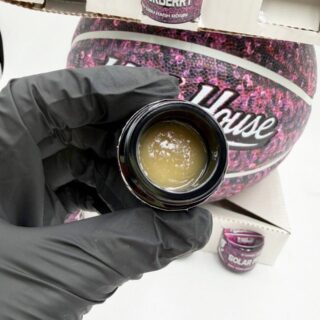
Hash House Hash Madness
Original price was: $35.00.$34.00Current price is: $34.00.Select options This product has multiple variants. The options may be chosen on the product pageHash House Hash Madness is a 2 gram jar of premium solventless hash rosin extracted through a 90U to 120U micron process and packaged in a signature purple basketball-themed jar designed for dispensary countertop display. Each unit carries the strain name, fill weight, and micron extraction range directly on the label for full transparency at point of sale. No chemical solvents are used at any stage of production. Strains confirmed in the current lineup include Blockberry and Solar Flare, each pressing genuine terpene character from quality input material into the final rosin. For experienced concentrate consumers who take solventless quality seriously, Hash House Hash Madness is the jar to reach for.
-
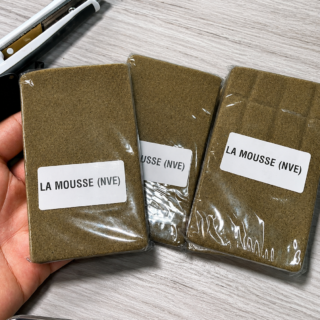
LA Mousse (NVE) Hash
Price range: $100.00 through $2,200.00Select options This product has multiple variants. The options may be chosen on the product pageLa Mousse (NVE) Hash is presented in sealed transparent packaging with a distinctive “LA MOUSSE (NVE)” label. This guide examines its visible appearance, packaging, texture, product identification, and the information buyers should verify before making purchasing decisions. Because the supplied packaging does not establish potency, cannabinoid content, production method, origin, or laboratory results, those specifications are not presented as confirmed facts.
-
710 Labs Persy Rosin Badder
Original price was: $60.00.$55.00Current price is: $55.00.Add to cart710 Labs Persy Rosin Badder is a solventless cannabis concentrate with a soft, whipped consistency designed for easy handling with compatible concentrate equipment. The Persy designation represents 710 Labs’ premium product tier, while strain, potency and terpene information remain specific to each production batch. Store the sealed jar according to official guidance, purchase only from a licensed retailer and check the label and batch documentation before use.
-
Latest
-
Purple Oreo Strain
Price range: $350.00 through $600.00
-
Blueberry Dum Dum Strain
Price range: $300.00 through $500.00
-
Grease Candy Strain
Price range: $400.00 through $700.00
-
Y3K Disposable
$20.00
Best Selling
-
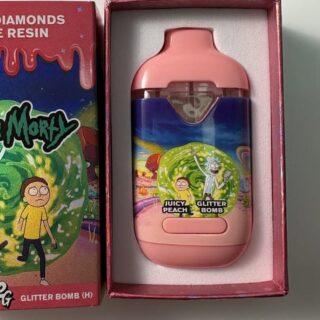 Rick and Morty Disposable Vape
Price range: $20.00 through $900.00
Rick and Morty Disposable Vape
Price range: $20.00 through $900.00
-
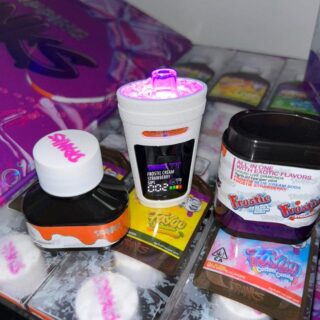 Dranks 2g disposable
Price range: $25.00 through $1,000.00
Dranks 2g disposable
Price range: $25.00 through $1,000.00
-
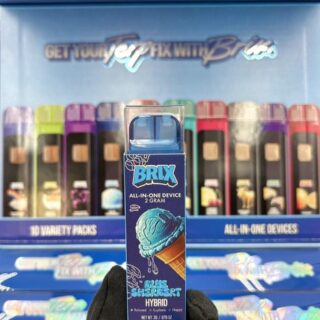 Brix 2G Disposable
Original price was: $25.00.$24.50Current price is: $24.50.
Brix 2G Disposable
Original price was: $25.00.$24.50Current price is: $24.50.
-
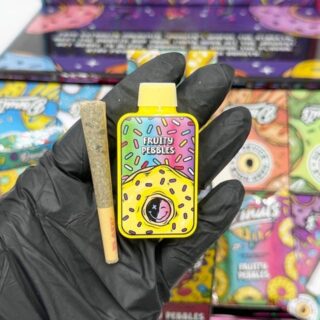 Fryd Donuts 2g Disposable
Price range: $20.00 through $900.00
Fryd Donuts 2g Disposable
Price range: $20.00 through $900.00
Top Rated
-
Purple Oreo Strain
Price range: $350.00 through $600.00
-
Blueberry Dum Dum Strain
Price range: $300.00 through $500.00
-
Grease Candy Strain
Price range: $400.00 through $700.00
About Us

Welcome to Swirl Disposable, your online destination for disposable vape products and cannabis accessories. We are dedicated to providing adult customers with a carefully selected collection of high-quality products from some of the most recognized brands in the industry. Our goal is to make it easy to discover new products, compare options, and shop with confidence through a secure and reliable online experience. We believe that quality products deserve accurate information. That is why we continually improve our product pages with detailed specifications, flavor information, buying guides, and helpful resources that allow customers to make informed purchasing decisions.
Know More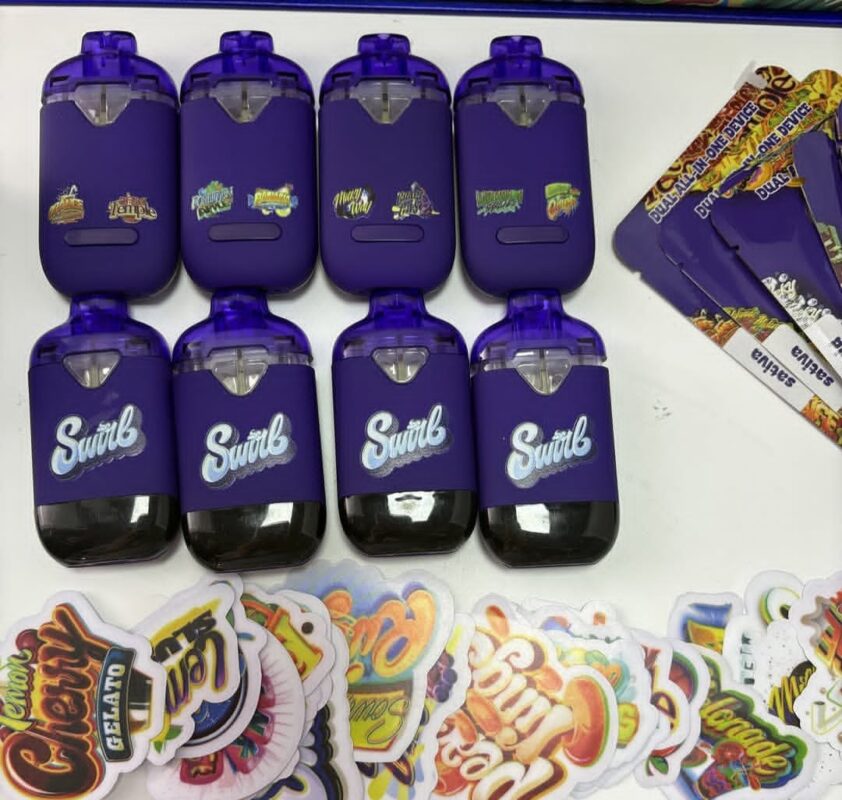
Reviews
There are no reviews yet.