
Most Popular




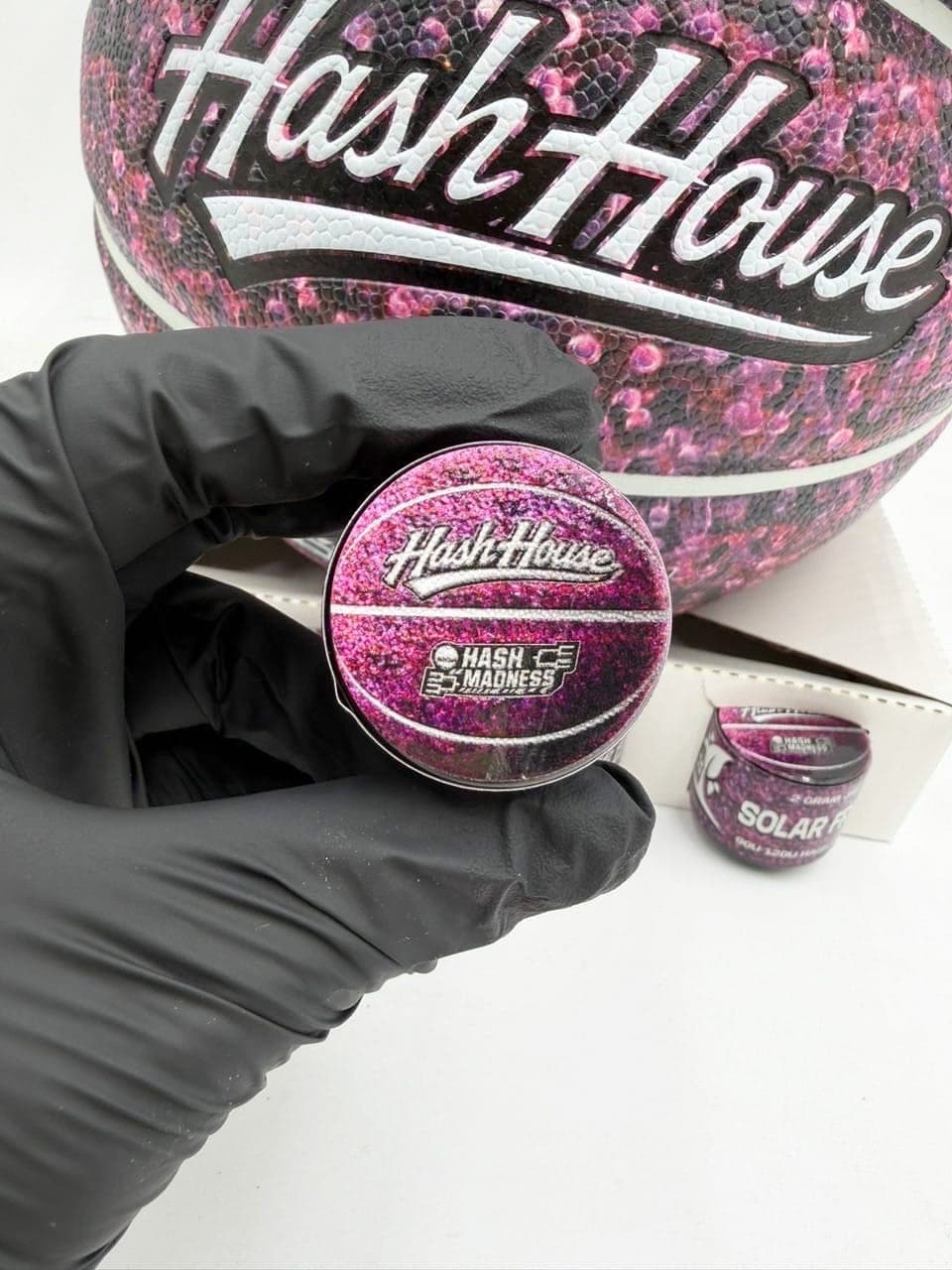
Hash House Hash Madness: The Complete Educational Guide to Understanding Premium Hash Rosin in 2025
Hash House Hash Madness: The Brand That Built It
What Hash House Hash Madness Actually Is: A Concentrate Category Explanation
Before explaining what makes Hash House Hash Madness worth the price of a 2 gram jar, the concentrate category it belongs to needs a clear explanation, because hash rosin gets lumped in with vague “premium concentrate” language constantly without the actual mechanism being spelled out.
Cannabis concentrates fall into two broad production categories. The first uses chemical solvents such as butane, propane, ethanol, or CO2 to strip cannabinoids and terpenes from the plant material. The solvent dissolves the resinous compounds, and the resulting liquid is then processed to remove the solvent and leave behind the extracted oil. The final product can be very clean and very potent, but the solvent introduction and subsequent purging process affects which compounds survive and in what proportions. Some terpenes degrade or volatilize during the purging stage. The final product is often reconstituted with added terpenes to compensate.
The second category is solventless, and Hash House Hash Madness belongs here. Solventless concentrates are made using only water, ice, heat, and pressure at various stages of the production chain. No chemical solvents touch the plant material at any point. Because of this, the compounds present in the original cannabis plant have a much higher survival rate through the extraction process. Terpenes that would be lost during solvent purging remain intact. Cannabinoids that degrade at high solvent processing temperatures stay in the oil.
Hash rosin is the culmination of that solventless approach. It starts with ice water hash, which is itself already a concentrated form of the plant’s trichomes. That hash is then pressed through heat and pressure to squeeze the rosin out of the hash, producing the final product that goes into the Hash House Hash Madness jar. The process from plant material to finished rosin in the jar touches every step of what makes solventless production labor-intensive and expensive relative to solvent extraction, and that cost is reflected in the price of the final product.
The 90U to 120U Science Inside Hash House Hash Madness
The numbers 90U and 120U printed on every Hash House Hash Madness jar are not marketing language. They are technical identifiers for a specific stage of the ice water hash production process, and understanding them tells you more about the quality of what is in the jar than any marketing claim on the label could.
Ice water hash is made by agitating frozen cannabis plant material in ice cold water. The freezing causes the trichome heads to become brittle, and the agitation knocks them loose from the plant stalks. The resulting water is full of trichome heads mixed with plant material, water, and other cellular debris. That mixture is then passed through a series of filtration bags made from fine mesh, each measured in microns, abbreviated as U.
The micron number tells you the maximum size of particle that passes through that mesh. A 220 micron bag lets through everything smaller than 220 microns, which includes trichome heads, plant material fragments, and a lot of other material that does not belong in high-quality hash. As you move to progressively smaller micron bags, the filtration becomes tighter and more selective. By the time you reach the 90 to 120 micron range, you are catching a specific fraction of trichome heads that represents some of the most desirable material in the entire extraction run.
The 90 to 120 micron range is where mature, fully developed trichome heads concentrate. These are the heads that are richest in cannabinoid content and terpene expression. Material from this range is sometimes called full melt hash, which refers to how completely it vaporizes when heated, leaving minimal residue behind because the plant material contamination is low and the resin content is high.
When Hash House Hash Madness labels every jar with 90U to 120U, it is communicating that the hash pressed to make the rosin inside was collected from this specific premium fraction of the extraction run. That is a meaningful technical claim, not a visual design choice, and it is one of the clearest verified quality indicators visible on the product.
How Hash House Hash Madness Looks and What That Tells You
The light golden amber color visible when you open a Hash House Hash Madness jar is not accidental, and it is worth understanding because concentrate color is a genuine quality indicator when interpreted correctly.
Color in hash rosin comes from several factors: the lipid content of the oil, the oxidation level, the plant material contamination, and the heat used during pressing. Rosin pressed at lower temperatures tends to preserve a lighter, more golden color because lower heat causes less lipid extraction and less terpene degradation. High-temperature pressing produces darker rosin that is often harsher in flavor and lower in terpene content because the heat drives off the lighter volatile compounds.
The light golden amber appearance in the Hash House Hash Madness jar is consistent with low-temperature pressing of high-quality 90 to 120 micron hash. It suggests that the production process prioritized terpene preservation over yield, which is the priority that produces the best-tasting concentrate even if it means extracting less total oil from the same amount of hash.
Darker concentrates in the rosin category often indicate one of several things: older or degraded starting material, higher plant material contamination in the input hash, higher pressing temperatures, or oxidation from improper storage. None of those are conditions you see in the Hash House Hash Madness jars from the available product photography.
Blockberry and Solar Flare: The Strains in Hash House Hash Madness
Hash House Hash Madness identifies strains directly on each jar label, and the two confirmed strains in the current release, Blockberry and Solar Flare, are both choices that make sense for a solventless hash rosin line.
Blockberry carries berry-forward terpene characteristics rooted in its genetic background. In a solventless format like Hash House Hash Madness where the terpene survival rate through extraction is higher than in processed concentrates, a strain with genuine berry expression shows up in the flavor profile in a way that a distillate version of the same name cannot replicate. The difference between a Blockberry flavored distillate cartridge and a Blockberry hash rosin in the Hash House Hash Madness format is the difference between a flavor that was reconstructed after the fact and a flavor that survived the extraction because the process was designed to preserve it.
Solar Flare is associated with citrus and fuel terpene profiles depending on the specific phenotype selection used. In a concentrate made through solventless extraction, phenotype selection matters significantly because different cuts of the same strain can produce dramatically different terpene outputs. The Hash House approach of starting from quality cultivated genetics, as evidenced by their documented flower catalog, suggests that the Solar Flare used in Hash House Hash Madness was selected with concentrate production in mind rather than being whatever material happened to be available at the time.
Both strains in the Hash House Hash Madness lineup are substantive choices, not placeholder names, and that strain specificity per jar is part of what makes the product transparent in a category where many competitors list only generic concentrate type without telling you what went into the jar.
The Basketball Display: What Hash House Hash Madness Is Doing in Retail
The retail display for Hash House Hash Madness is one of the most considered pieces of product design the cannabis concentrate market has produced in recent memory, and it is worth explaining why it works before someone assumes it is just a visual gimmick.
The display is a white box with a full-size basketball sitting at its center. The basketball is wrapped in a purple textured design that, on close inspection, is printed to look like a surface covered in cannabis trichomes. The textured pattern reads as both a basketball surface and a cannabis material surface simultaneously. It is not an accident. Hash House knew exactly what they were doing when they chose a packaging element that connects visually to the product it represents while maintaining an athletic theme that makes the brand stand out in a glass case next to competitors using flat box packaging.
The Hash House logo sits across the center of the basketball in the same position a standard basketball manufacturer’s brand mark would appear. Below it, the Hash Madness branding appears in a typeface and layout that references college basketball tournament graphics, which is the obvious seasonal association the brand is making. The entire display reads as intentional from every angle.
Individual Hash House Hash Madness jars ring the display on the top and bottom edges of the box, each with matching purple labels showing the strain name, the 2 gram fill weight, and the 90U to 120U designation. The consistency across every jar in the display creates a unified retail presentation that photographs well, looks professional in a display case, and gives a budtender a natural talking point when a customer pauses in front of it.
This is dispensary packaging with wholesale ambition. The display format is designed to occupy counter space and create visual impact at the point of sale, which is the right strategy for a premium concentrate that requires some explanation to sell effectively. A product that needs context to be appreciated needs a display that earns attention first.
Hash House Hash Madness Lab Transparency: What Exists and What Does Not
Lab testing in the cannabis industry is mandatory in legal states before any product reaches a dispensary shelf. That is the baseline that every licensed product meets by definition of being on a licensed dispensary shelf. Where brands differentiate is in how accessible that testing documentation is to the consumer after the point of sale.
For Hash House Hash Madness, no batch-specific Certificate of Analysis with a lot number, testing facility name, and full cannabinoid plus terpene panel is publicly accessible in a format that a consumer can independently look up during research or at point of purchase. The 90U to 120U designation on the label is process documentation. It tells you how the product was made. It does not tell you what the specific cannabinoid percentages, terpene concentrations, or residual contaminant levels are for the exact batch sitting in the jar you are buying.
This is a gap that applies to many cannabis concentrate brands, and calling it out is not an indictment of the product quality. It is a description of where the industry standard currently sits versus where it should be going. Consumers who want to evaluate a Hash House Hash Madness jar based on documented lab data rather than visual and process indicators should ask their licensed dispensary for the Certificate of Analysis tied to the specific batch before purchasing. A licensed retailer will have this documentation on file as a requirement of carrying the product legally. If a retailer cannot produce the COA for a specific batch of Hash House Hash Madness, that is a reason to pause.
The brand would close a real credibility gap by making batch-specific COA data accessible to consumers through a QR code on the jar or a searchable database on their website. The testing is happening. Making the results consumer-accessible per batch is the natural next step in a concentrate market where informed buyers are increasingly the target consumer.
How to Consume Hash House Hash Madness Correctly
Hash rosin in a jar format like Hash House Hash Madness is designed primarily for use with a dab rig or an electronic dab device. Getting the most out of the product requires understanding temperature, because hash rosin is more temperature-sensitive than most other concentrate formats and the temperature you use directly determines how much of the terpene character you actually experience.
The general principle is that lower temperatures preserve terpenes and produce a more flavorful experience, while higher temperatures produce more vapor volume at the cost of terpene expression. For hash rosin specifically, a temperature range of approximately 450 to 520 degrees Fahrenheit tends to produce the best balance between flavor and vapor production. Above 550 degrees Fahrenheit, the lighter terpene compounds in Hash House Hash Madness begin to combust rather than vaporize, which produces a harsher, less flavorful result and wastes some of the terpene content that justified the price of the product in the first place.
Use a dab tool to collect a small amount of concentrate from the jar. The consistency of hash rosin varies with temperature. Hash House Hash Madness at room temperature will have a semi-solid to solid consistency depending on the specific batch’s terpene content, which influences the texture significantly. Badder or sauce-consistency rosin is higher in terpenes and tends to be softer. A more solid, crumble-like consistency at room temperature often indicates a product with a higher THC-A content relative to terpenes.
Apply the concentrate to a heated banger or electronic dab device nail that has been pre-heated and then allowed to cool to the target temperature. Use a carb cap to maintain vapor pressure during the inhale, which helps the concentrate vaporize completely at lower temperatures rather than puddling in the banger and wasting material.
For first-time users of hash rosin or Hash House Hash Madness specifically, start with a very small amount. Hash rosin is significantly more potent than flower and more potent than many processed concentrates because the solventless extraction preserves a broader range of cannabinoids rather than isolating just THC through heavy refinement. The full cannabinoid and terpene profile hitting at once produces effects that people often describe as more complex and more physical than distillate-based products, and those effects can be more intense than expected for someone accustomed to vaping processed oil products.
Storing Hash House Hash Madness to Protect Quality
The investment in a 2 gram jar of hash rosin warrants treating it correctly once you have it, because the terpene content that makes Hash House Hash Madness worth its price is also the content most vulnerable to degradation through improper storage.
Keep the Hash House Hash Madness jar sealed when not in use. Terpenes are volatile compounds that dissipate when exposed to air over time. A loosely sealed or open jar left out loses flavor quickly, and the flavor in hash rosin is not something that can be restored once the terpenes have left the oil.
Store the jar at a stable, cool temperature away from direct heat and sunlight. A cannabis-safe refrigerator or a cool, dark cabinet both work. Temperatures below 70 degrees Fahrenheit slow the degradation rate significantly. Avoid temperature fluctuations, which cause the oil to expand and contract and can affect the texture and consistency of the rosin over time.
Do not freeze hash rosin. Freezing causes moisture condensation when the jar is returned to room temperature, and that moisture can affect the stability of the product. Cool is the right direction. Cold to the point of freezing is too far.
If the Hash House Hash Madness jar develops a more solid consistency from cold storage, allow it to warm to room temperature for a few minutes before opening and working with it. The concentrate will soften back to its normal working consistency without any intervention beyond time.
Who Hash House Hash Madness Is Built For
Hash House Hash Madness is a product for experienced cannabis consumers who have specifically developed an interest in solventless concentrates and understand what they are looking for in that format. It is not an entry-level product. The price point reflects the labor-intensive production process, the premium input material, and the specific extraction fraction used. Someone buying Hash House Hash Madness for the first time as their introduction to cannabis concentrates is starting at the deep end, and there is a real risk of either wasting the product through improper consumption temperature or being overwhelmed by the potency.
For consumers who already have a reference point for quality hash rosin and are looking for a product in the solventless category that starts from documented cultivar genetics, uses a specific premium extraction fraction confirmed by label, and packages that product in a format built for serious retail presentation, Hash House Hash Madness fills that space clearly.
Dispensary buyers and wholesale accounts looking for a concentrate line that creates counter presence, generates conversation at point of sale, and carries verifiable process credentials should consider the Hash House Hash Madness display format specifically. The basketball display is the rare piece of product packaging that works as hard as the product inside it, and the combination of visual impact and extract credibility makes it effective in a competitive concentrate category where differentiation is difficult.
The Educational Case for Understanding Solventless Extraction
One of the most useful things Hash House Hash Madness does beyond being a good product is make the case for why solventless extraction matters in terms that a consumer can actually understand by looking at the label.
The 90U to 120U designation is education built into the packaging. It is a number that rewards curiosity. A consumer who looks that up, which takes about thirty seconds, immediately understands something real about how the product was made and why that matters for quality. That is rare in the cannabis market where most labels are either vague or filled with claims that have no mechanism attached to them.
The progression from plant to ice water hash to pressed rosin that Hash House Hash Madness represents is the cleanest production chain available in cannabis concentrates right now. Nothing is added. Nothing artificial is introduced. The terpenes in the final product are the terpenes that survived from the Blockberry or Solar Flare plant material through a process designed specifically to keep them alive. That integrity of source, process, and final product is the educational point that makes solventless concentrates like Hash House Hash Madness worth learning about even if they are not the right purchase for every consumer.
The concentrate market in 2025 has enough options that buying something just because it looks good is not a good strategy. Hash House Hash Madness looks good. More importantly, it also has the production credentials to justify the attention.
Frequently Asked Questions About Hash House Hash Madness
What is hash rosin and why is it different from other concentrates?
Hash rosin is a solventless cannabis concentrate made by pressing ice water hash through heat and pressure. No chemical solvents are used at any stage. Because of this, more of the original plant’s terpene and cannabinoid content survives the extraction process compared to solvent-based concentrates like distillate or butane hash oil. Hash House Hash Madness is hash rosin, which places it at the premium end of the concentrate category.
What does 90U to 120U mean on the Hash House Hash Madness label?
These numbers refer to the micron bag size range used during ice water hash extraction. The 90 to 120 micron range captures a premium fraction of trichome heads that is high in resin content and low in plant material contamination. Hash collected from this range is full melt or near-full melt quality, which means it vaporizes more completely with less residue than hash from less selective micron ranges. This fraction is pressed into the rosin inside each Hash House Hash Madness jar.
How much concentrate comes in each Hash House Hash Madness jar?
Each jar contains 2 grams of hash rosin, confirmed directly from the product label on the jar.
What strains are available in Hash House Hash Madness?
Blockberry and Solar Flare are confirmed in the current release from product packaging photography. Additional strains may be available depending on the production run and your retailer’s specific stock.
What temperature should I use to dab Hash House Hash Madness?
A temperature range of approximately 450 to 520 degrees Fahrenheit preserves the most terpene character while still producing satisfying vapor. Above 550 degrees Fahrenheit you begin combusting terpenes rather than vaporizing them, which produces a harsher result and reduces the flavor quality that distinguishes hash rosin from processed concentrates.
Is Hash House Hash Madness suitable for beginners?
No. Hash rosin is a high-potency concentrate significantly stronger than flower and many processed oil products. Hash House Hash Madness is intended for experienced cannabis consumers with an established tolerance to concentrates who are familiar with the dab rig or electronic dab device format required to consume it.
Where can I find lab results for Hash House Hash Madness?
No publicly accessible batch-specific Certificate of Analysis with lot numbers was found during research for this article. Ask your licensed dispensary for the COA tied to the specific batch of Hash House Hash Madness you are purchasing before completing the transaction. A licensed retailer is legally required to have this documentation.
Why does Hash House Hash Madness cost more than distillate concentrates?
The solventless production process is more labor-intensive and yields less finished product per pound of input material than solvent-based extraction. The 90 to 120 micron input hash is the premium fraction of the extraction run rather than all-in-one processed material. The quality of the starting flower genetics used as input material also directly affects the cost of the final rosin. Each of those factors is reflected in the price per gram of Hash House Hash Madness relative to processed alternatives.
How should I store Hash House Hash Madness?
Store the sealed jar in a cool, dark location at stable room temperature or below. Avoid heat, direct sunlight, air exposure, and temperature fluctuations. Do not freeze the product. Bring cold-stored rosin to room temperature before opening to allow it to return to its normal working consistency.
What makes the Hash House Hash Madness retail display different from standard concentrate packaging?
The display uses a full-size basketball wrapped in a purple trichome-textured design as its centerpiece, with individual Hash House Hash Madness jars arranged around the top and bottom edges. The design connects the product visually to both the basketball season and the cannabis material inside the jars. It is built for dispensary countertop placement and wholesale accounts rather than individual retail shelf facing, which makes it effective at creating point-of-sale presence and conversation in a retail environment.

Latest
Best Selling
-
 Rick and Morty Disposable Vape
Price range: $20.00 through $900.00
Rick and Morty Disposable Vape
Price range: $20.00 through $900.00
-
 Dranks 2g disposable
Price range: $25.00 through $1,000.00
Dranks 2g disposable
Price range: $25.00 through $1,000.00
-
 Brix 2G Disposable
Original price was: $25.00.$24.50Current price is: $24.50.
Brix 2G Disposable
Original price was: $25.00.$24.50Current price is: $24.50.
-
 Fryd Donuts 2g Disposable
Price range: $20.00 through $900.00
Fryd Donuts 2g Disposable
Price range: $20.00 through $900.00
Top Rated
-
 Fresitas 2G Dual Chamber Disposable
Price range: $25.00 through $1,200.00
Fresitas 2G Dual Chamber Disposable
Price range: $25.00 through $1,200.00
-
 Splitz 2g Disposable Dual Chamber
Price range: $30.00 through $1,100.00
Splitz 2g Disposable Dual Chamber
Price range: $30.00 through $1,100.00
-
 Dranks Grape Crush x Crush Cream Mousse
About Us

Welcome to Swirl Disposable, your trusted online destination for premium disposable vape products and cannabis accessories. We are dedicated to providing adult customers with a carefully selected collection of high-quality products from some of the most recognized brands in the industry. Our goal is to make it easy to discover new products, compare options, and shop with confidence through a secure and reliable online experience. We believe that quality products deserve accurate information. That is why we continually improve our product pages with detailed specifications, flavor information, buying guides, and helpful resources that allow customers to make informed purchasing decisions.
Know More

Leave a Reply